
A mare gets one shot a year.
That alone should slow the decision down.
One commercial mare.
One season.
One foal.
One chance to make the mating count.
Most owners know that. So they try to be careful.
They look at the stallion name.
The nick.
The stud fee.
The farm pitch.
The sales average.
The page.
All of that matters.
It still has to serve the mare.
This is where owners can get into trouble.
The mating may not be made for the mare first.
It may be made for the owner.
The stallion name gives the owner something to point to.
The nick gives the owner something to point to.
The sales average gives the owner something to point to.
The farm approval gives the owner something to point to.
Then, if the foal disappoints, the owner can say:
“I used a good stallion.”
That sentence may protect pride.
It does very little when the foal needs a bid.
That is a Cover Mating.
A Cover Mating happens when the stallion gives the owner a better defense than it gives the mare a better chance.
The choice feels safe before the foal exists.
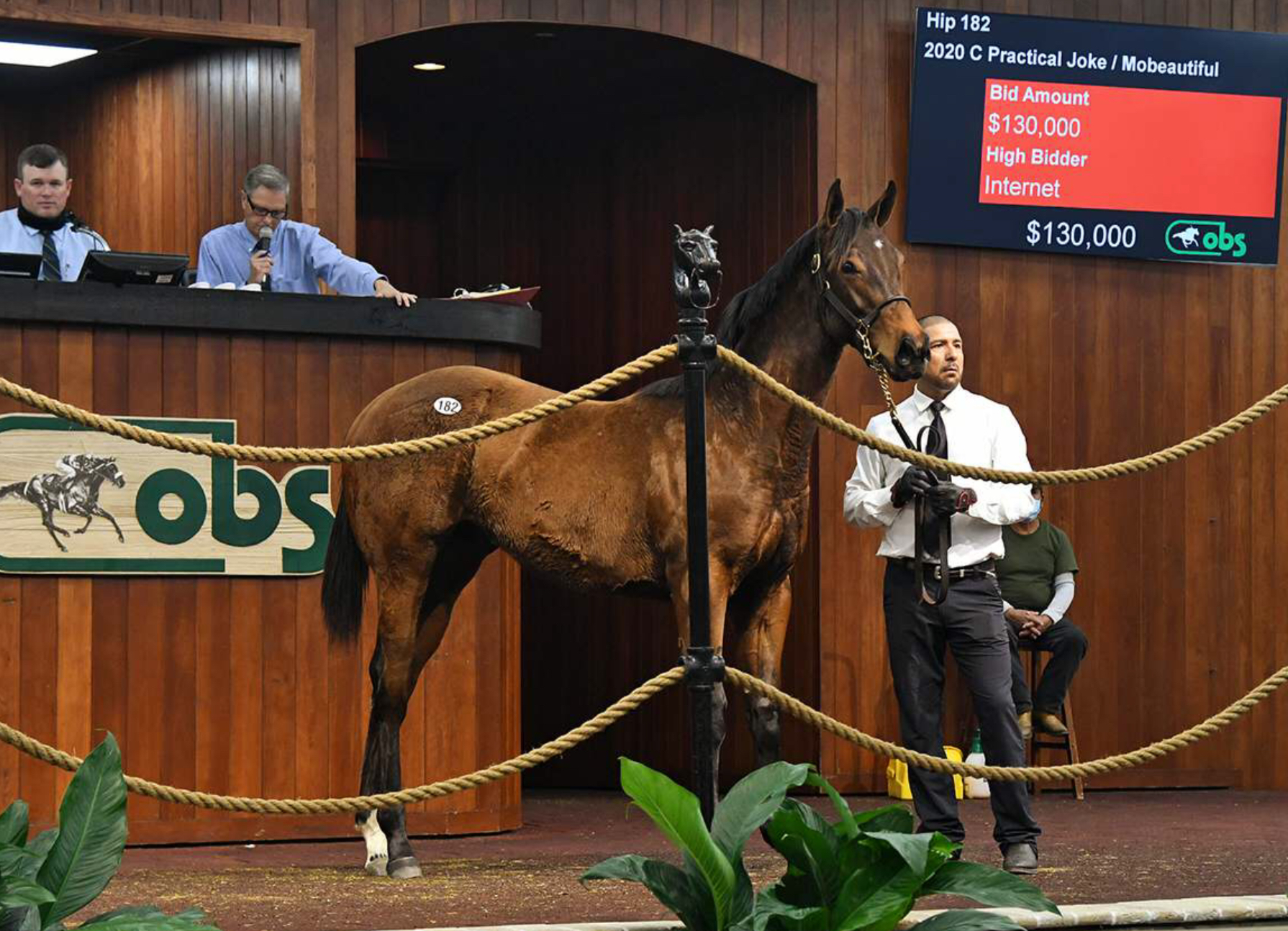
Then the foal has to stand in front of buyers.
That is where the truth shows up.
A known sire can get buyers to look.
The foal still has to make them want to bid.
Buyer recognition is not buyer demand.
That is one of the most important lessons in commercial breeding.
A popular stallion may help the page.
But if he repeats what the mare already lacks, the mating has not served her.
If the mare needs more substance, the stallion must help there.
If the mare needs a better body match, the stallion must help there.
If the mare needs a stronger commercial reason, the mating must help there.
If the foal is a filly, she still has to make sense as a future broodmare.
If the foal is a colt, he still has to give buyers a reason to raise a hand.
The market studies the foal in front of it.
The foal has to answer.
That is why I like the At-Birth Test.
Before the mare is booked, picture the foal already standing in front of you.
Start with the honest version.
A plain colt.
A small filly.
A foal that needs time.
A sire whose market has cooled.
A buyer who does not care about the pitch.
Now ask the questions that matter.
Does this mating help the mare?
Does the body match give the foal a better chance?
Would a colt give buyers a clear reason to bid?
Would a filly add broodmare value?
Does the fee make sense for this mare?
Can the mating be explained from the mare outward?
That final question matters.
When the first sentence starts with the stallion, stop.
You may be making a Cover Mating.
A better first sentence is:
“This mare needs ______, and this stallion gives her the best chance to produce ______.”
That changes the whole decision.
The mare gives the assignment.
The stallion answers it.
That is the difference between stallion shopping and mare planning.
The goal is not to breed a foal that is easy to brag about before it is born.
The goal is to breed a foal buyers can understand when they see it.
A colt with a reason to bid.
A filly with broodmare value.
A body that supports the plan.
A pedigree that helps the mare.
A decision that still makes sense after the foal is on the ground.
So before you book the mare, run the At-Birth Test.
Write the mating case without leading with the stallion name.
Judge the mating by the plain colt and the small filly.
Then ask one final question:
Will buyers see enough reason to bid without needing a long explanation?
If yes, the mating may be worth making.
If the answer depends on a long stallion defense, you may only have cover.
And cover is not a plan.
Here is the lesson.
A mare does not need a famous name first.
She needs a mating that gives the foal a clear reason to matter in front of buyers.
That protects your capital, your mare, and your confidence when the foal is on the ground.
That is the point of The Thoroughbred Decision.
Each week, I take one buying, breeding, racing, or selling decision and break it down in plain English so you can see the risk before you put money behind it.
If you own a mare, plan to buy one, or are thinking about breeding commercially, subscribe to my free weekly newsletter:
The Thoroughbred Decision
A plain-spoken look at buying, breeding, racing, selling, and when to walk away in the thoroughbred business.
https://www.linkedin.com/newsletters/the-thoroughbred-decision-7429891779803455488