

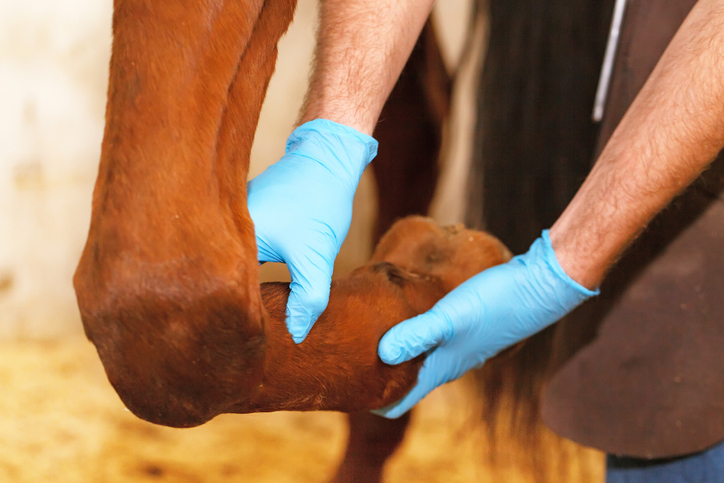
Let’s not beat around the bush; our sport is at a pivotal moment. With all the buzz around cheaters, lackluster self-regulation, and now more than ever, the controversial role of therapeutic practices, it’s time we had a frank discussion.
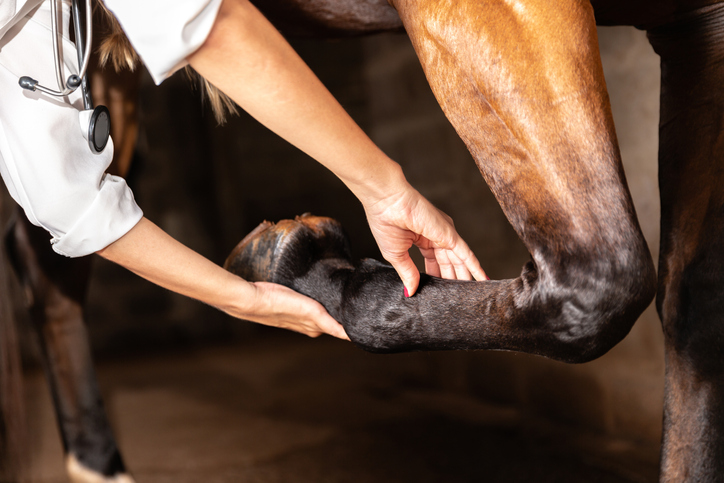
The Detrimental Role of Cheaters
First up, let’s tackle the cheaters. They’ve been in the game as long as the finish line has. You know the types, those who cut corners with medications, put horses at risk, and sully the sport. Rooting out these bad apples needs to be a priority. Enhanced testing, heftier penalties, and vigilant oversight would go a long way.
Failed Self-Regulation: The Root of All Evils
The conversation naturally moves to our failure in self-regulation. It’s a pill we’ve got to swallow. The unfortunate rise in breakdowns and incidents has opened the doors for organizations like HISA to swoop in. We had our chance and blew it. Now, we’re under the microscope, and for a good reason.
Therapeutic Practices: The Missing Piece of the Puzzle
But here’s where it gets murky. Lost in the discussion about cheaters and self-regulation is the role of therapeutic practices. While medications like lasix have been controversial, they also serve a purpose. Therapeutic medicines and joint therapies not only help but also contribute to overall joint health and, believe it or not, prevent injuries. Due to stricter HISA rules, these practices have been limited, and this might just be what’s contributing to the rise in breakdowns.
The Cost of Ignored Therapies
With new limitations on therapeutic practices, we’re doing our athletes a disservice. Think about human competitors for a moment. They have access to a wide range of treatments, from anti-inflammatory medications to specialized physical therapy. This preventative care allows them to perform at their best and reduces the risk of injury. Shouldn’t our equine athletes be afforded the same consideration?
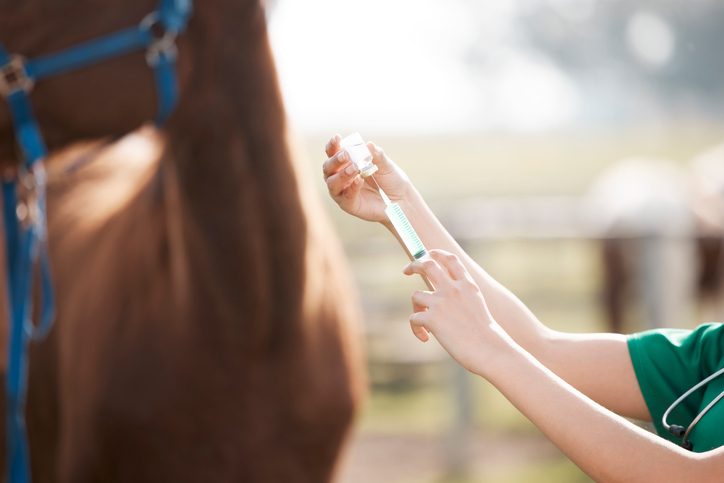
Media: Fanning the Flames
While we’re talking about problems, let’s not forget how media sensationalizes every breakdown and injury. It’s our fault that we’re in this situation, but that doesn’t mean every trainer or owner is to blame. Many in our industry genuinely care for their horses and want what’s best for the sport.
Greed: The Underlying Enemy
Let’s not kid ourselves. Greed has landed us here. From the cheaters who focus solely on wins and money to our collective negligence in managing the sport, greed has been the driving force behind many of our current issues.
The Way Forward: Revisiting Therapeutic Practices
It’s not rocket science. We need to be at the table when regulations are discussed, especially concerning therapeutic practices. Proven preventive therapy, like medications and joint treatments, promote a healthier horse. Isn’t that the ultimate goal? A healthier horse is less prone to injury, which is better for everyone involved: the horse, the owner, the jockey, and the spectator.
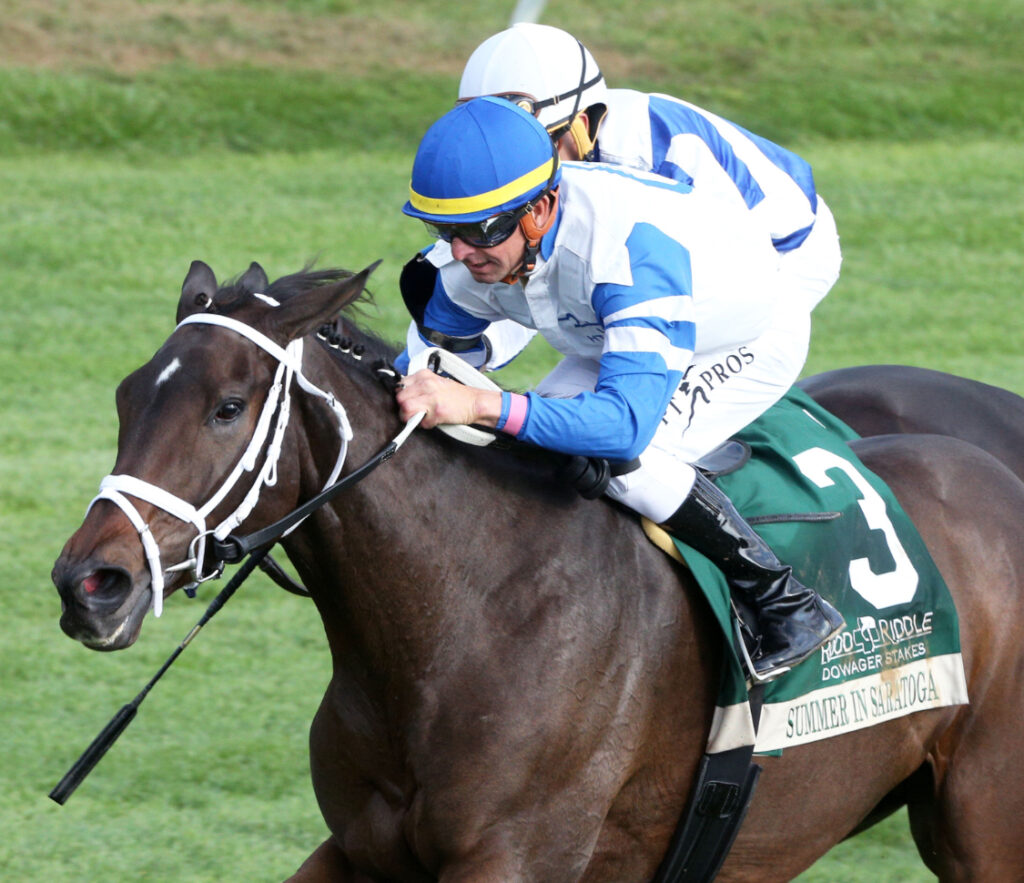
The Bottom Line
So here it is, a deep dive into our industry’s hot topics. From cheating and self-regulation failures to the crucial yet overlooked aspect of therapeutic practices, we’ve got a lot of work to do. It’s time to clean up our act, advocate for reasonable policies, and focus on the health and well-being of our horses.
Stay true to the sport and to the incredible animals that make it all possible. Until next time, keep advocating for what’s right.



Hisa is ruining the game there the one causing havoc by there rules there the ones stopping the trainers to do there jobs old school.
Edward,
I hear you. HISA’s regulations are certainly a divisive topic in our community. While they may have been implemented with the best of intentions, they’ve also significantly impacted how trainers can operate, often in ways that deviate from tried-and-true methods. The balance between maintaining the integrity of the sport and allowing trainers the freedom to do their jobs “old school” is something we’ll need to continue discussing and advocating for.
Thanks for weighing in.
Best,
Clark
Excellent article Clark. I have had multiple discussions on Facebook about this exact issue and racing surfaces prompted by Bill Casner’s article in the Paulick Report. What people fail to understand right now is since the advent of Social Media, every breakdown is amplified and it hurts our sport, it hurts attendance at tracks, it hurts handle, which hurts everything else. We can no longer bury our heads in the sand and keep doing what we have been doing, it no longer works. I was telling a breeder in Louisiana this morning over a phone call that today due to social media, racing is like us (racing) putting a giant glass window at the front of our house and everyone can see in, it might be a good idea to clean the house! I was very disappointed that HISA has reinstated the provisional suspensions prior to confirmation testing. This will kill small trainers, if they only have a dozen horses and have two entered that week, they lost that revenue forever and what’s worse is they may lose a client who is operating on a shoe string and moves the horse so it can get in a race, only to discover after 2-3 weeks the test was not dirty or clearly caused by feed contamination, etc… This issue along with not being able to properly treat a horse is incredibly nefarious at best. Thank you for the article and keep preaching. You have an audience!
Jeff,
Thanks for the thoughtful comment. I couldn’t agree more about the double-edged sword that is social media. While it offers us unprecedented reach and interaction, it also amplifies every misstep, which doesn’t always present a balanced picture of our industry. Your “giant glass window” metaphor hits the nail on the head—we definitely need to clean house in some areas.
The issue you raised about HISA reinstating provisional suspensions prior to confirmation testing is another area that needs attention. It can create an environment where small trainers are pushed out of the game, which isn’t healthy for anyone involved.
I appreciate your ongoing support. I’ll keep on preaching as long as I have an audience willing to listen and engage.
Best,
Clark
Lots to be done to save the sport of horseracing. Having ridden in the ’70’s & ’80’s, I know from experience that breakdowns are fewer today than they were back then but there was no social media to expose that. There was also an overabundance of horses. I’m glad we no longer breed 60,000 a year.
I wonder if the pressure on jockeys to win, especially at the top of the game, is too much. Yes, we want to win, but at all costs? Jockeys like Irad Ortiz getting away with bush league type riding destroys the enjoyment for me. I don’t even want to watch a race he is riding in.
Yes, there is much to clean up in our sport and time is short. I hope the owners, trainers and jockeys can drill some sense into HISA. They could begin by putting real horsemen and women on that board.
Paddy,
You bring up some excellent points. The lens of social media certainly amplifies issues in a way that wasn’t possible during the ’70s and ’80s. Your experience riding during those decades adds valuable perspective—breakdowns are not a new issue, but they’re certainly more visible now.
The pressure on jockeys is another aspect worth exploring. Winning should never come at the cost of compromising the sport’s integrity or the well-being of the horses. The need for real horsemen and women on boards like HISA can’t be overstated; it’s those boots-on-the-ground insights that could make a world of difference.
Appreciate your thoughts,
Clark
Very well stated. This is what I’ve been saying since 2007 when Rick Arthur started recommending a ban on multiple therapeutic agents and practices. I mean, getting rid of anabolic steroids was going to fix the breakdown problem at Santa Anita.
One thing that could easily be done to reduce the number of raceway breakdowns is to teach the regulatory vets that do the pre-race examinations how to find the most common injuries. This is a simple thing that would add about 5 minutes to each exam (which would mean more vets would be needed to check all of the runners).
HISA is about conducting witch hunts, not about equine welfare or fairness.
Thanks for bringing up some excellent points. You’re absolutely right; eliminating anabolic steroids was never going to be the cure-all solution to the breakdown problem at Santa Anita or elsewhere. It’s a complex issue that requires multi-faceted solutions, not quick fixes.
I completely agree with your take on the role of regulatory vets in pre-race examinations. A few extra minutes spent during these checks could make a world of difference. It’s a practical, relatively simple measure that could significantly reduce the risk of injuries and breakdowns on the racetrack. The need for more vets would be a small price to pay for improved equine welfare.
As for HISA, you’ve hit the nail on the head. Any regulatory body that’s more interested in conducting witch hunts than genuinely focusing on the welfare of the horses and the fairness of the sport is missing the point entirely.
Appreciate your insights, and it’s reassuring to know there are others in the industry who share similar views.
Best,
Clark
Merci monsieur pour votre article et la référence au Titanic qui coule et l’image des chaises
En france malheureusement les polémiques se succèdent et le doute s’installé sur la gestion par les institutions de la question du dopage et de sa lutte : très cher et inefficace
Oui les tricheurs ont une longueur d’avance
Oui les institutions restent et persévèrent avec une longueur de retard : j’en veux pour preuves les nombreuses alertes concernant l’usage en France de « facteur de croissance » terme générique pour l’usage des peptides : aicar tb500 bpc 157 et surtout Gnrh -6 précurseur de la hormone de croissance en complément de ceux qui precedent
Nous voyons des chèvres se transformer en avions de chasse et des entraîneurs inconnus gagner des courses groupe I
Et surtout des institutions et des laboratoires nous expliquer qu’ils font peur et que le dopage est résiduel
Oui la situation est grave tant que nous ne serons pas écouté : je n’ai pas écrit compris
Bonne journée
Luc 19 / 36-42 : s’ils se taisent les pierres crieront